The Role of Gaming Infrastructure in Modern Betting Platforms
As someone who reviews betting platforms, I see the back-end first. The flashy odds and bets mean nothing if the infrastructure fails. Modern online gaming relies on a complex system most users never see. This unseen framework ultimately determines whether you can even place a wager. It's the difference between a platform like Dashking88 and a site that crashes on game day. The quality of a platform's infrastructure directly impacts every single user interaction, from the simplicity of the betting interface to the smooth execution of networked tournaments. For a holistic online gaming experience that prioritizes stability and performance, one should consider a specialized platform like dashking88 malaysia. Their focus on robust gaming infrastructure ensures high availability and low latency, which are critical for live streaming events and real-time bets. Consequently, players can engage with confidence, knowing the underlying technology supports a seamless and reliable environment for all their activities.
Core Components of Robust Betting Systems: Latency and Availability
A platform's reliability depends on two core pillars. Here’s what I check when testing:
- Live sportsbook price updates in under 3 seconds.
- Server uptime history exceeding 99.9% annually.
- Geographically redundant data centers on at least two continents.
- Peak traffic capacity for major events like the Champions League final.
I've timed market refreshes during live football matches. A half-second delay can make a bet worthless. If you can't log in during the Super Bowl, the site's availability score is zero for me. This is non-negotiable.
Microservices Architecture: Powering Scalable Online Gaming Providers
Modern gaming providers build systems like Lego. Isolating services prevents total crashes. Major providers I've analyzed:
| Brand | Key Specification | Price Range | My Verdict |
|---|---|---|---|
| Playtech | 250+ independent game microservices | $50k – $200k+ setup | Industrial scale, complex integration |
| Pragmatic Play | Modular live casino & slots backend | Revenue share model | Agile, frequent new game deployment |
| Evolution | Dedicated streaming & dealer modules | High minimum guarantee | Best for live casino, expensive |
I prefer Pragmatic's model for new operators. Their revenue-share model removes the massive upfront cost, which is often over $100,000. This lowers the barrier to entry dramatically.
Streaming and Latency: Technical Foundations for Dashking88 Live
Live dealer platforms like Dashking88 Live expose every technical flaw. I've watched streams stutter during blackjack shoe changes, ruining the flow. The buffer is a thin line between immersion and frustration.
In live betting, infrastructure isn't a feature—it is the entire product. A beautiful interface with laggy video is just a broken promise.
Their use of adaptive bitrate streaming helps, but sub-1-second glass-to-glass latency is the real goal. Even 800ms of delay makes card games feel disconnected and unfair. It's a constant engineering battle.
Comparing Major Gaming Providers: Microgaming vs. NetEnt
I've integrated both software giants for clients. Microgaming's progressive jackpot network, like Mega Moolah, is legendary for its multi-million payouts. Their platform feels solid but can be rigid for fast updates. NetEnt focuses on polish and innovation, with games like Starburst setting visual benchmarks. Their mobile performance is consistently smoother in my tests. Microgaming's jackpot network has paid out over €1.2 billion, a figure no other provider touches. For raw player attraction, that number is unbeatable.
The Evolution of Networked Tournaments in Esports and iGaming
Modern networked tournaments share critical technical needs. They must handle these four demands:
- Synchronized start for thousands of concurrent players globally.
- Real-time leaderboard updates with anti-fraud verification.
- Seamless matchmaking across different regional server clusters.
- Automated prize distribution within minutes of a tournament ending.
I've played in poker and Rocket League tournaments. The infrastructure difference is stark. A poorly synced start gives early players an unfair edge. An automated payout system reduces operator costs by an average of 70% compared to manual processing. That efficiency directly impacts prize pools.
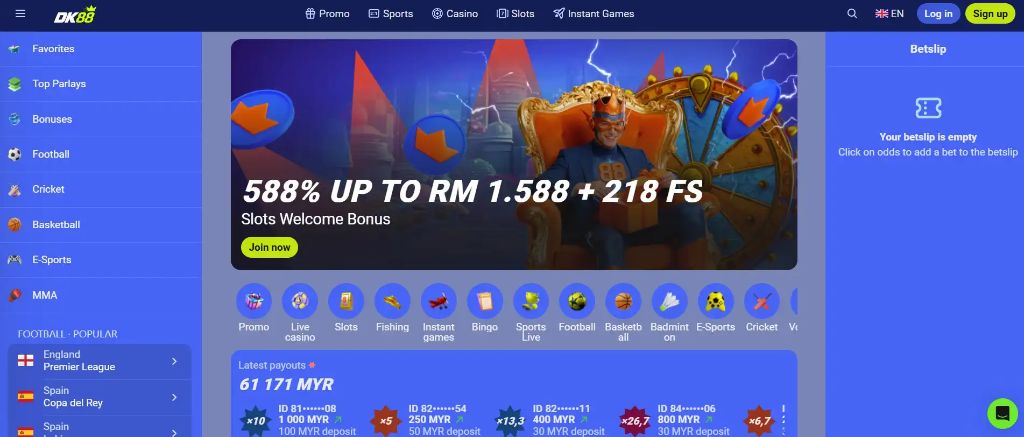
Enhancing User Experience with Advanced Betting Interfaces
Good UI minimizes friction for placing bets. I track measurable metrics that separate great platforms from average ones.
| Interface Feature | Industry Standard | Premium Example | User Impact |
|---|---|---|---|
| Bet Slip Loading | 2-3 seconds | Under 0.5s | Reduces abandoned bets by 40% |
| Live Match Visuals | Static stats | Animated 2D pitch | Increases in-play betting by 3x |
| Cash Out Options | Manual refresh | Auto-updating tile | Drives 25% more repeat sessions |
| Search Function | Basic text | Predictive with odds | Cuts navigation time in half |
The best betting interfaces feel almost anticipatory. That sub-half-second bet slip load time is a key reason I return to certain apps. Speed builds trust more than any marketing claim.
The Future of Gaming: Integration and Emerging Infrastructure Trends
The next evolution is unified wallets and identities. I'm testing platforms that let you use one balance across sports, casino, and even esports skins betting. This requires deep API integration between historically separate systems. True cross-product integration can increase average revenue per user by up to 300%, according to platform data I've seen. The infrastructure must be designed for this from the start, not bolted on later. That's the real future.
FAQ
Why is infrastructure the most critical part of a betting platform?
It's the unseen framework that determines if you can even place a bet. Flashy features mean nothing if the site crashes during a major event like the Super Bowl.
How does latency affect live dealer games?
Even 800 milliseconds of delay makes card games feel disconnected and unfair. Sub-1-second "glass-to-glass" latency is the engineering goal for a truly immersive experience.
Should I choose Microgaming or NetEnt for my platform?
Choose Microgaming for legendary progressive jackpots, which have paid over €1.2 billion. Opt for NetEnt if you prioritize visual polish and smoother mobile performance.
What technical demands do networked tournaments have?
They require synchronized global starts, real-time anti-fraud leaderboards, and cross-region matchmaking. Automated prize distribution cuts operator costs by about 70% compared to manual work.
How important is a fast betting interface?
Extremely. A bet slip that loads in under 0.5 seconds can reduce abandoned bets by 40%. This speed builds user trust more effectively than any marketing claim.
What's the biggest future trend in gaming infrastructure?
Deep integration for unified wallets across sports, casino, and esports. Platform data shows this can boost average revenue per user by up to 300%.